


HOW “MR. GREEN BAY” IS REDEFINING COMMUNITY ADVOCACY
- Markola Williams

- Dec 14, 2025
- 3 min read
Green Bay, Wisconsin. Damien Doran, known throughout the city as “Mr. Green Bay,” has lived a life shaped by contrast. His journey includes identity and isolation, incarceration and opportunity, struggle and purpose. Today, he is using that experience to advocate for youth, challenge systemic gaps, and redefine what success after incarceration can look like.
Doran moved to Green Bay 36 years ago at 12 years old. He describes the transition as disorienting and formative. “I went from being the only white kid in school in Chicago to being the only black kid in school in Green Bay,” Doran said. The experience forced him to confront questions of identity and belonging at a young age, questions that continue to influence his work today.
As a father, Doran says watching his son move through the school system reignited those same concerns. He believes many young people, particularly students of color, are misunderstood and underserved. “These are bright young individuals,” Doran said. “They know how they feel, and they are not afraid to express it.”


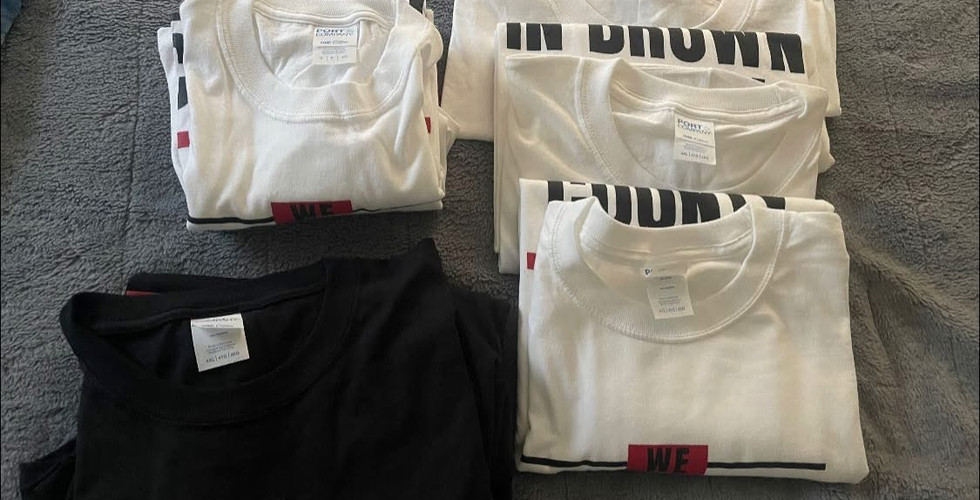
That belief became the foundation of We Put the Brown in Brown County, a movement Doran created to address representation gaps across leadership, education, media, and local government. He points to the lack of brown managers, news anchors, teachers, and school board members as evidence of systemic exclusion rather than a lack of qualified candidates.
Doran’s advocacy is rooted in lived experience. From the ages of 12 to 36, he was in and out of jail. He describes it as a cycle that once felt normal. “It was a lifestyle,” he said. “I was glorifying something because it was the only thing I knew.”
In 2012, that cycle nearly became permanent. Doran faced a possible 36 year prison sentence before his case was dismissed two years later. That moment became a turning point. He stopped destructive habits and began focusing on education, personal development, and community building.
National research shows how difficult that shift can be without support. Formerly incarcerated individuals face unemployment rates nearly five times higher than the general population. However, studies also show that access to stable employment and education dramatically improves outcomes. People who maintain employment for at least one year after release are far less likely to return to prison. Recidivism rates drop from more than fifty percent to approximately sixteen percent. Education further reduces the likelihood of reoffending, with degree holders showing some of the lowest recidivism rates nationwide.

Doran’s path forward included studying digital media technology, where a class project evolved into Titletown Battle League. The platform was designed to highlight lyrical skill, discipline, and authenticity in hip hop culture. What began as a school assignment grew into a creative space for expression and opportunity, reflecting his broader mission to provide structure where it is often missing.
Today, Doran defines success not by titles or recognition, but by influence. “My legacy is not what I do,” he said. “It is what I inspire other people to do.”
As communities across the country continue to confront incarceration, reentry, and representation, Doran’s story reflects a broader reality supported by data. Transformation is possible when people are given access, accountability, and room to grow. In Green Bay, his work continues to challenge long standing norms while creating pathways for the next generation to move forward rather than be counted out.
For the full interview: Click Here


Comments